How to Know if You Need an Emergency Dentist or Can Wait Until Morning
Dental pain has a way of making every hour feel longer. A mild toothache at 2 p.m. Is annoying. The same ache at 2 a.m. Can feel urgent, frightening, and impossible to ignore. What makes the decision so difficult is that not every painful dental problem is a true emergency, but some absolutely are. Waiting on the wrong problem can mean a more complicated infection, a tooth that can no longer be saved, or a trip to the hospital instead of a dental office.
The key is not just how much it hurts. I have seen people with severe pain from a cracked filling that could safely wait until morning, and I have seen people with surprisingly little pain whose swelling signaled a dangerous infection. If you are trying to decide whether to call an Emergency Dentist right now or manage the situation until the office opens, you need to look at the whole picture: bleeding, swelling, fever, trauma, difficulty swallowing, and whether a tooth has been knocked out or loosened.
Most after-hours dental calls fall somewhere between clearly urgent and probably safe to wait. The practical question is this: are you dealing with a threat to your airway, uncontrolled bleeding, major trauma, or a time-sensitive injury to a tooth? If yes, act now. If not, you may be able to get through the night with temporary care and see your dentist first thing in the morning.
Pain alone does not tell the whole story
People often assume that the worst pain must equal the worst emergency. Dentistry does not work that neatly. A deep cavity exposing the nerve can cause throbbing, relentless pain and still allow a safe overnight wait if there is no swelling, fever, or trauma. On the other hand, a developing abscess can begin with moderate discomfort and turn serious fast, especially if swelling starts to spread.
The pattern matters. Sharp pain when biting may suggest a cracked tooth, a loose crown, or inflammation around the root. Sensitivity to cold that lingers for minutes can point to nerve irritation or infection inside the tooth. Constant pressure, a foul taste, and swelling in the gum often suggest infection. Pain in the jaw joint after clenching or grinding may be miserable, but it usually does not need immediate intervention from an Emergency Dentist.
It also matters where the pain is coming from. A tooth that hurts in isolation is one thing. Facial swelling, trouble opening the mouth, or pain radiating into the neck raises the stakes. If your pain is severe enough that you cannot sleep, that does not automatically mean you need treatment at midnight, but it does mean you should take the situation seriously and look for warning signs beyond pain itself.
The situations that should not wait
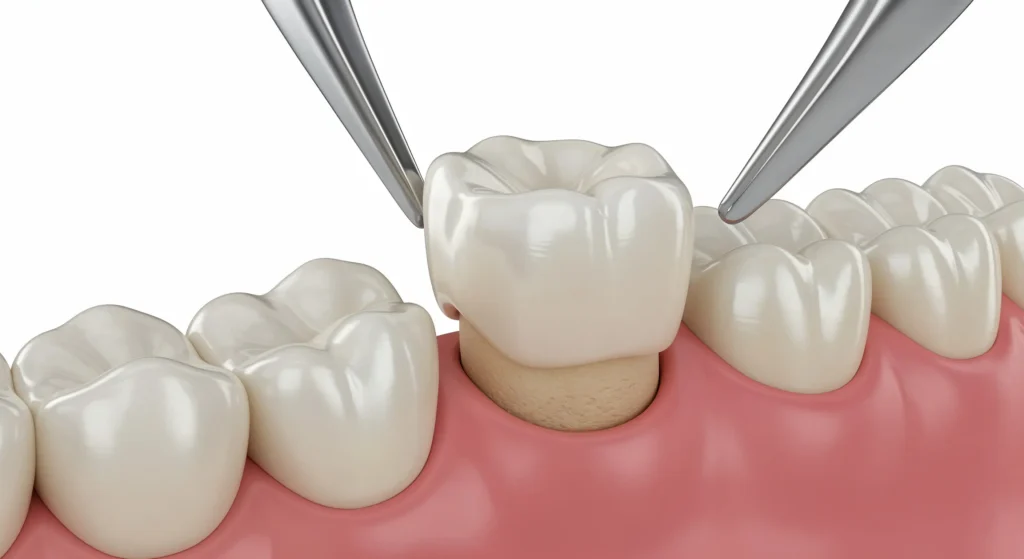
Some dental problems are time sensitive, and delay changes the outcome. A knocked-out permanent tooth is the clearest example. Reimplantation has the best chance of success when it happens quickly, ideally within 30 to 60 minutes. That does not mean you should give up after an hour, but it does mean this is not a wait-until-breakfast situation.
Uncontrolled bleeding is another reason to act immediately. Oozing after an extraction is common and usually manageable with steady pressure. Bleeding that continues despite firm pressure, especially after 20 to 30 minutes, is different. If blood is pooling rapidly, soaking gauze one piece after another, or making you lightheaded, you need prompt care.
Spreading swelling deserves real respect. A small pimple on the gum can often wait for next-day treatment. Swelling in the cheek, jawline, under the tongue, or into the neck is another matter. Infection in these spaces can threaten breathing and swallowing. If you feel your throat tightening, your voice changes, or swallowing becomes painful or difficult, do not wait for a https://medium.com/@simpledentalsouthgate/about dental office to open. Go to urgent care or the emergency room if an Emergency Dentist is not immediately available.
Trauma to the mouth also needs quick judgment. A chipped tooth without pain can often wait. A tooth pushed out of position, loosened, or fractured deeply into the nerve should be seen as soon as possible. So should a cut lip or gum that may need repair, especially if debris is embedded in the wound.
Here are the clearest signs that you should seek immediate help now rather than wait until morning:
- A permanent tooth has been knocked out, pushed sideways, or suddenly become very loose after trauma.
- You have facial swelling that is growing, especially if it affects your eye, jawline, tongue, throat, or ability to swallow.
- Bleeding will not stop after firm pressure for 20 to 30 minutes.
- You have fever, pus, foul drainage, or severe pain along with swelling, and you feel ill.
- Breathing difficulty, confusion, faintness, or major facial injury is present, in which case the emergency room may be more appropriate than a dental office.
That last point matters. Dentists manage many urgent oral problems, but airway issues, severe facial fractures, and significant head injuries belong in medical emergency care first.
When it is usually safe to wait until morning
A lot of dental problems feel dramatic but can be managed overnight with common-sense care. A lost filling, a broken crown, mild to moderate toothache without swelling, a chipped tooth that is not bleeding, or discomfort from something stuck between teeth usually falls into this category. The goal is to protect the area, control symptoms, and avoid making it worse before you can be seen.
Take a lost filling. If the tooth is sensitive to air or cold, it may hurt sharply, but unless there is major swelling or trauma, waiting a few hours is generally fine. The same is often true for a crown that comes off. Keeping the crown clean and bringing it with you can help the dentist recement or replace it, but it rarely requires middle-of-the-night treatment.
A cracked tooth sits in a gray zone. If the crack is small and you can avoid chewing on that side, waiting until morning is often reasonable. If biting pain is intense, the tooth feels mobile, or you see a fracture extending toward the gumline with bleeding, that tips toward urgent care. Judgment matters because cracked teeth vary from minor enamel lines to fractures that split the tooth below the gum.
Gum pain can also be misleading. Food packed between teeth can cause swelling and soreness that feels far worse than the actual problem. Gentle flossing may bring immediate relief. An erupting wisdom tooth can create aching, swollen tissue, and a bad taste if the flap around the tooth traps debris. That may need prompt attention if there is marked swelling or difficulty opening the mouth, but many cases can wait until morning.
The tooth that gets knocked out is its own category
When a permanent tooth comes all the way out, every minute matters. Baby teeth are different and generally should not be replanted because doing so can damage the adult tooth developing underneath. Permanent teeth, though, can sometimes be saved with fast action.
If you can find the tooth, pick it up by the crown, which is the part normally visible in the mouth. Do not scrub the root. If it is dirty, a gentle rinse with milk or saline is better than aggressive cleaning. In some cases, the tooth can be placed back in the socket right away if the person is alert and cooperative. If that is not possible, storing it in milk is usually a practical choice. Saliva inside the cheek can work for some adults, but there is a choking risk for children, so milk is often safer.
This is one of the clearest reasons to contact an Emergency Dentist without delay. Even if the tooth cannot be saved, prompt care can reduce pain, protect the socket, and improve later treatment options.
Swelling is often the most important clue
Pain gets attention, but swelling often tells you more about risk. A localized bump on the gum above a sore tooth may indicate an abscess draining through the tissue. That needs treatment soon, but if the swelling is small and you feel otherwise well, many dentists can see it the next morning. The danger rises when swelling spreads beyond the immediate gumline.
Cheek swelling means the infection has moved outside the tooth and surrounding bone into soft tissue. Swelling under the jaw or under the tongue is more concerning because those spaces are close to the airway. Fever, chills, fatigue, or a racing heartbeat can signal that the infection is affecting the body more broadly.
One detail people often overlook is whether the swelling is changing quickly. A puffy cheek at bedtime that doubles by midnight is not something to monitor casually. Rapid progression is a sign to seek care now. It is also worth noting that antibiotics alone are not always enough for dental infections. Many tooth infections require drainage or treatment of the source, such as a root canal or extraction. That is why masking symptoms and waiting several days can backfire.
Bleeding after dental work, injury, or gum irritation
Not all oral bleeding is an emergency. The mouth is full of blood vessels, and even small cuts can look dramatic. If you had an extraction earlier in the day, mild oozing onto gauze is common. What matters is whether steady pressure slows it down.
People often check too frequently. They bite on gauze for two minutes, remove it, see blood, and assume something is wrong. A more useful approach is firm, uninterrupted pressure for at least 20 minutes. A damp tea bag can sometimes help because tannins may assist clotting, though pressure is still the main thing.
Bleeding from the gums after aggressive flossing, brushing, or food trauma usually stops on its own. Bleeding from a torn lip, tongue, or cheek may need urgent attention if the cut is deep, gaping, or contaminated with dirt or broken tooth fragments. Tongue injuries, in particular, can bleed heavily.
Blood thinners complicate the picture. If you take medications such as warfarin, apixaban, rivaroxaban, or clopidogrel, a level of bleeding that might otherwise be manageable can be more persistent. That does not mean every episode requires emergency care, but it lowers the threshold for getting help if pressure is not working.
What you can do safely while you wait
If your symptoms point toward waiting until morning, you still want to get through the night without escalating the problem. Temporary care should reduce irritation, not hide serious warning signs.
Use these measures carefully:
- Rinse gently with warm salt water if the area is sore, irritated, or swollen around the gums.
- Take over-the-counter pain medicine as directed on the label, assuming you can safely use it based on your medical history.
- Apply a cold compress on the outside of the face for swelling related to trauma or inflammation.
- Avoid chewing on the affected side, and skip very hot, very cold, hard, or sticky foods.
- Keep a lost crown or broken piece of tooth if you can find it, and bring it to the appointment.
A few cautions are worth stating plainly. Do not place aspirin directly on the gum or tooth. People still try this, and it can burn the tissue. Do not use clove oil heavily on broken tissue, because it can irritate the area. Do not try to glue a crown back with household adhesives. If you use an over-the-counter dental cement from a pharmacy, treat it as temporary and still arrange prompt care.
The hidden red flags people dismiss too often
The most commonly underestimated symptom is difficulty swallowing. People describe it in softer terms, saying their throat feels strange or it hurts to swallow saliva. When that occurs along with dental pain or swelling, it should raise concern for deeper infection. The second is inability to open the mouth normally. That can happen with wisdom tooth infections, jaw joint inflammation, trauma, or spreading infection in the chewing muscles. Limited opening with swelling and fever is not a wait-and-see situation.
Another easy-to-miss issue is numbness after trauma. If your lower lip, chin, or part of the face suddenly feels numb after a fall or blow, that can indicate nerve involvement or fracture. You may not bleed much, and a tooth may not even look terribly damaged, but the injury deserves prompt assessment.
Fever changes the equation, too. A throbbing tooth without fever and without swelling is often painful but stable for a night. Add a temperature, malaise, or a bad taste with pus drainage, and the urgency increases. Adults vary in how they respond to infection, especially if they are older, diabetic, immunocompromised, or taking medications that affect healing. In those groups, it is wise to act sooner.
Children, older adults, and medically complex patients need extra caution
Dental emergencies do not look exactly the same in every patient. A young child may not describe symptoms clearly. Instead of saying, “My molar hurts and my cheek is swelling,” they may become clingy, stop eating, drool, or wake repeatedly crying. Facial swelling in a child should never be brushed off, especially with fever.
Older adults can have more subtle presentations. A deep infection may produce less dramatic pain if the nerve inside the tooth has already died, but the infection can still spread. Dry mouth from medications can accelerate decay, and dentures can hide ulcers or sore spots that turn infected. If an older adult is confused, weak, or not drinking because of mouth pain, that becomes more urgent quickly.
People with heart valve issues, recent joint replacements, cancer treatment, poorly controlled diabetes, or immune suppression should be more conservative about waiting. The threshold for calling an Emergency Dentist, or even seeking medical care, is lower because infections can progress faster and have broader consequences.
A practical way to decide at 11 p.m.
If you are standing in the bathroom trying to judge whether this is an emergency, ask yourself a few plain questions. Is the problem getting rapidly worse over hours rather than staying about the same? Can you swallow normally? Is there visible swelling beyond the gum? Was there significant trauma? Is there bleeding that has not responded to pressure? Did a permanent tooth come out completely? Are you feverish or feeling systemically unwell?
If the answer to any of those is yes, do not talk yourself out of getting help because it feels inconvenient or because the pain briefly eased. Dental infections sometimes drain temporarily and feel better right before they worsen again. Likewise, a knocked-out tooth may not hurt as much as expected, but that does not make it less urgent.
If the answer is no, and the issue is a lost filling, broken crown, moderate toothache, mild gum irritation, or a small chip without major pain, it is usually reasonable to call as soon as the office opens and ask for the earliest appointment. Many practices reserve same-day spots for exactly these situations.
The right kind of urgency protects both your tooth and your health
Good decisions about dental emergencies come down to recognizing which problems are painful and which are dangerous, because they are not always the same. Pain deserves care, but swelling, trauma, bleeding, fever, and breathing or swallowing changes are the clues that most strongly point to immediate treatment. That is where an Emergency Dentist can make the difference between a straightforward fix and a much more serious problem.
When in doubt, especially with a child, significant facial swelling, or a knocked-out permanent tooth, it is better to call. A brief after-hours conversation can often clarify whether you need the dentist now, urgent medical care, or a first appointment in the morning. That kind of judgment is part of emergency dentistry. It is not just about relieving pain, it is about knowing what cannot safely wait.
Simple Dental Vermont
Address: 8914 S Vermont Ave, Los Angeles, CA 90044
Phone number: +13239493000
FAQ About Emergency Dentist Los Angeles CA
What can the ER do for a tooth?
The emergency room can provide temporary symptom relief for a bad tooth, such as prescribing pain medicine or antibiotics, but it cannot fix the actual dental problem.
What is the 3-3-3 rule for tooth infection?
The 3-3-3 rule for a toothache or infection typically means taking three 200 mg ibuprofen tablets (600 mg total) three times a day for no more than three days to control pain and swelling while waiting to see a dentist.
What do you do if you have a dental emergency but no dentist?
If you have a dental emergency and no regular dentist, you should search for an urgent care dental clinic, call local walk-in dental offices, or go to a hospital emergency room if you have severe bleeding, swelling, or trouble breathing.