Why a General Dentist Should Be Part of Your Wellness Plan
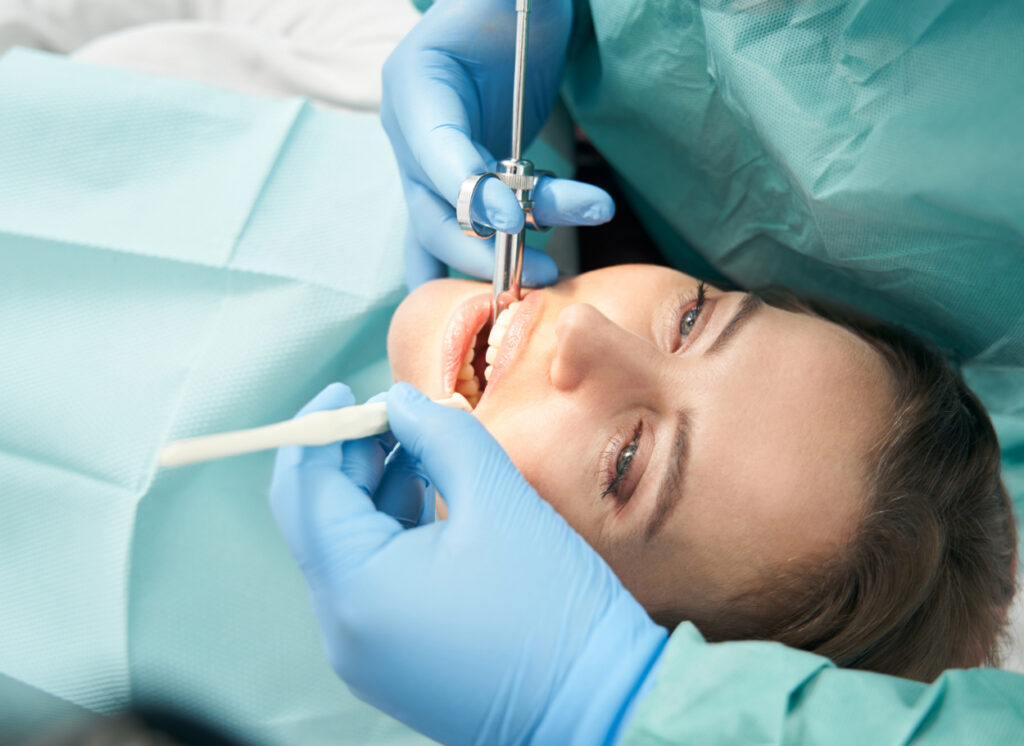


Most people do not place a general dentist in the same mental category as a primary care physician, a therapist, or a fitness routine. Dental visits often get treated as a separate errand, something to schedule when a tooth hurts, a crown chips, or insurance is about to reset. That view is common, but it misses something important. Oral health is not a side issue. It is woven into how you eat, sleep, speak, work, age, and manage chronic disease.
A strong wellness plan usually includes the basics: movement, sleep, nutrition, preventive medical care, and stress management. A general dentist belongs in that mix for a simple reason. The mouth is not isolated from the rest of the body. It is one of the earliest places where imbalance shows up, and one of the easiest places to intervene before small problems become expensive, painful, or medically significant.
Anyone who has ever ignored a little gum bleeding, put off a cavity, or lived with a sore jaw for months knows how fast oral problems can affect daily life. Food choices narrow. Sleep gets lighter. Concentration slips. Even social confidence can take a hit. These are not minor quality-of-life issues. They shape how people feel and function.
The mouth often signals trouble before the rest of the body does
General dentistry is often framed https://knoxpszc625.wpsuo.com/what-makes-preventive-care-from-a-general-dentist-so-valuable around teeth, but in practice, a good general dentist is evaluating much more than enamel. During a routine exam, they are looking at the gums, tongue, cheeks, bite, jaw joints, saliva flow, soft tissues, wear patterns, and signs of inflammation or infection. Those details matter because they can point toward habits, diseases, and risks that go beyond the dental chair.
Dry mouth is a good example. Patients often mention it casually, if they mention it at all. Yet persistent dry mouth can raise cavity risk dramatically and may also reflect medication side effects, dehydration, autoimmune conditions, or mouth breathing during sleep. A patient who keeps getting decay despite brushing well may not have a hygiene problem at all. They may have a saliva problem. A general dentist is often the first person to spot that pattern.
Gum inflammation tells its own story. Red, puffy, bleeding gums are not just a cosmetic issue. They are a visible sign of inflammation and bacterial buildup. Left untreated, they can progress from gingivitis to periodontitis, affecting the tissues and bone that support the teeth. That process can be quiet for a long time. People often assume no pain means no problem. In reality, some of the most damaging gum disease advances with little discomfort until teeth loosen or infections flare.
Wear on teeth can reveal nighttime grinding, stress, bite imbalance, or sleep disruption. Erosion can point to frequent acid exposure, whether from diet, reflux, or recurrent vomiting. Sores that do not heal deserve attention. Changes in tissue color, texture, or shape can sometimes be early signs of more serious conditions. A general dentist who knows a patient over time is in a strong position to notice subtle shifts.
This is one reason regular dental care matters even when nothing hurts. Pain is a late symptom in many oral conditions. Prevention works best before pain arrives.
Preventive care is cheaper, easier, and gentler than repair
People do not usually need convincing that prevention is better than crisis care. The challenge is that prevention is quiet, and crisis is memorable. Nobody tells dramatic stories about the cavity they never got because their dentist caught a weak spot early and adjusted a home care routine. They tell stories about the weekend abscess, the cracked molar during vacation, or the root canal that followed years of postponement.
General dentistry shines in that quiet zone where a small intervention can save a tooth, preserve bone, avoid infection, and reduce cost. A tiny area of early decay may be monitored or treated before it grows. A filling with worn edges can be replaced before bacteria seep underneath and threaten the nerve. Mild gingivitis can often improve with professional cleaning and better daily care before it turns into deeper periodontal disease.
The financial difference is not trivial. A preventive visit and routine cleaning are predictable expenses. Advanced treatment is not. Once disease progresses, solutions become more complex and the consequences widen. A neglected cavity may lead to a larger filling, then a crown, then a root canal, then an extraction, then an implant or bridge. The clinical steps multiply, the chair time increases, and the patient often pays not just in money but in stress, missed work, and discomfort.
There is also a biological cost to delay. Every restoration removes some natural tooth structure. Dentistry aims to preserve as much healthy tissue as possible, but a tooth that has cycled through repeated repair is more vulnerable over time. Prevention is not merely less expensive. It is more conservative.
Oral health changes how you eat, and that changes everything else
Nutrition advice tends to focus on what people should eat. Dentistry often deals with whether they can eat it comfortably and consistently. That distinction matters more than many wellness plans acknowledge.
If chewing is painful, people unconsciously adapt. They avoid crunchy vegetables, nuts, lean proteins, seeded fruit, or foods that require balanced chewing on both sides. They may lean toward softer, more processed options, not because they prefer them, but because they are easier. A person with missing back teeth, inflamed gums, or sensitive enamel may not be able to follow the same dietary advice as someone with a stable, comfortable bite.
A general dentist can help remove those barriers. Restoring a broken tooth, treating sensitivity, adjusting a high filling, replacing an ill-fitting denture, or managing gum disease can make it easier for a patient to return to a more varied and nutrient-dense diet. This is one of the less celebrated ways dentistry supports wellness, but it is highly practical. Good advice about nutrition becomes much more realistic when the mouth can handle the food.
There is another side to this relationship. Dietary choices strongly influence oral health, and a general dentist often sees the effects in real time. Frequent snacking, sports drinks, sweetened coffee, acidic beverages, and sipping habits can create a constant low-grade attack on enamel. This does not mean people need moral lectures about food. It means they need clear, specific guidance. The difference between having soda with a meal and sipping it over three hours, for example, can matter. So can the timing of brushing after acidic foods, the use of fluoride, and whether dry mouth is part of the picture.
Wellness is easier when advice works both ways. A general dentist can connect the patient’s habits, symptoms, and oral findings into recommendations that fit real life.
The link between gum health and whole-body health is not abstract
There is a reason medical and dental professionals increasingly talk to each other about inflammation, diabetes, cardiovascular risk, and pregnancy care. The mouth is one of the most bacteria-rich environments in the body, and chronic gum infection places a steady inflammatory burden on the system.
It is important to be precise here. Oral disease does not single-handedly cause every medical problem it is associated with. Health relationships are often bidirectional and shaped by many factors. What is well established is that gum disease and systemic conditions frequently influence one another, and neglecting oral health can make overall health management harder.
Diabetes is one of the clearest examples. Poor blood sugar control can worsen gum disease, and active periodontal inflammation can make diabetes more difficult to manage. Patients sometimes get stuck in a loop where each condition aggravates the other. A general dentist who recognizes this can encourage more coordinated care and more realistic prevention.
Pregnancy is another period when oral health deserves close attention. Hormonal shifts can make gums more reactive, and existing inflammation may flare. Many pregnant patients delay dental care because they are unsure what is safe. In reality, routine evaluation and many necessary treatments are appropriate during pregnancy, especially when infection is involved. Waiting out a dental problem for months is often a worse option than addressing it carefully.
Older adults face their own set of dental-wellness intersections. Medication-related dry mouth becomes more common. Root decay risk rises. Dexterity changes can make flossing or brushing harder. Crowns and fillings placed decades earlier may start failing. Weight loss or poor nutrition can follow if chewing becomes difficult. A general dentist who understands aging can adjust preventive strategies rather than offering one-size-fits-all advice.
A general dentist helps with sleep, stress, and pain more often than people realize
Many wellness plans focus on sleep quality and stress reduction, yet the mouth and jaw are frequently left out of those conversations. They should not be.
A patient who wakes with headaches, facial soreness, chipped teeth, or a tight jaw may be grinding or clenching at night. Another may breathe through the mouth while sleeping and wake with dry tissues, bad breath, or increased decay risk. Someone with chronic jaw clicking may function reasonably well most days, then hit a period of stress and suddenly struggle to chew comfortably.
These concerns sit squarely within the day-to-day work of a general dentist. Not every case is severe, and not every patient needs a complex appliance or specialist referral. Sometimes the most effective move is a simple night guard, a bite adjustment, or guidance on reducing strain. Sometimes the dentist sees signs that suggest a broader sleep issue and recommends further evaluation.
What matters is that these symptoms rarely stay confined to the mouth. Poor sleep affects appetite, mood, concentration, blood pressure, and recovery. Chronic jaw tension can trigger headaches and make stress feel physically inescapable. When people say they are trying to improve their wellness but still wake exhausted, the answer is not always in a supplement or meditation app. Sometimes it is in the wear facets on their molars.
Routine dental care also protects confidence and social ease
It is easy to dismiss the social side of oral health as vanity, but that misses the point. Being able to speak clearly, smile without self-consciousness, and get close to people without worrying about breath matters. These are basic parts of work, relationships, and mental well-being.
I have seen patients downplay a broken front tooth or chronic bad breath for months, even years, then describe enormous relief once the problem was handled. They smile more. They stop covering their mouth while talking. They feel less hesitant in meetings and less guarded in photos. Those are not superficial benefits. They change how a person moves through the day.
A general dentist often addresses these concerns in practical, non-dramatic ways. A small bonding repair, a thorough cleaning, treatment for gum infection, replacing an old stained filling, or identifying the source of persistent odor can produce effects that patients feel immediately. Wellness is partly about lab values and risk reduction, but it is also about feeling able to participate fully in life.
What a wellness-oriented dental relationship looks like
Not every dental office approaches care the same way. Some practices are excellent at emergency repair but less focused on long-term prevention or behavior-based coaching. If you want your dentist to be part of your wellness plan, the relationship should feel collaborative rather than transactional.
A good general dentist does more than clean teeth and move on. They track trends. They compare changes over time. They ask about medications, sleep, diet, tobacco use, stress, and home care habits without sounding judgmental. They explain why a problem developed, not just how to fix it. They prioritize treatment based on risk and function, especially when a patient cannot do everything at once.
That last point matters. Real life includes budget limits, packed schedules, caregiving demands, and anxiety about dental treatment. A thoughtful dentist knows how to stage care. Maybe the urgent infection is handled now, the failing filling is watched closely for six months, and cosmetic work waits. Maybe a patient with severe dry mouth needs a prevention-heavy plan with more fluoride and shorter recall intervals. Good care is not only clinical skill. It is judgment.
Here are a few signs that a general dentist is truly supporting your overall wellness:
- They explain patterns, not just isolated problems.
- They discuss prevention in terms that fit your habits and health status.
- They coordinate with other providers when a medical issue affects oral care.
- They screen for things you may not notice, such as tissue changes, wear, or gum recession.
- They help you make phased decisions when time or money is limited.
This kind of care tends to feel less like damage control and more like health maintenance.
Frequency matters, but it should be individualized
Many people are told to see a dentist every six months, and for a large part of the population, that interval works reasonably well. Still, it is a guideline, not a universal law. Some patients do well with routine twice-yearly visits for many years. Others need more frequent maintenance because their risk profile is different.
A patient with excellent home care, low cavity risk, stable gums, and no history of major dental disease may not need the same schedule as someone with active periodontal issues, dry mouth from medication, heavy tartar buildup, frequent decay, orthodontic appliances, or complex restorative work. Wellness-oriented care adapts to these realities.
That is one reason seeing a general dentist regularly pays off. The office develops a baseline. They know whether that small pocket near a molar is new or long-standing, whether the enamel wear is stable or accelerating, whether a tiny area on an X-ray has changed since last year. Without continuity, dentistry becomes more reactive.
Skipping care rarely saves as much as people think
There are understandable reasons people avoid the dentist. Cost is real. Fear is real. Past experiences can make even booking an appointment feel heavy. Some people have gone years without care and feel embarrassed to return. Others genuinely have had no pain and assume there is nothing to address.
The problem is that oral disease does not wait for a convenient season. By the time symptoms push someone into treatment, options are usually narrower. Even for patients focused purely on efficiency, regular dental visits tend to be the better bargain. They prevent disruptions that spill into work, family time, travel, and sleep.
For anxious patients, the most helpful first step is often smaller than they expect. It may simply be a consultation, updated X-rays, and a conversation about priorities. Modern general dentistry has become better at accommodating fear, whether through slower pacing, clearer communication, comfort measures, or phased treatment. People who have stayed away for years are often surprised by how manageable it feels once they are no longer carrying the uncertainty alone.
The daily habits that make professional care work better
A general dentist is essential, but no one gets healthy teeth and gums from office visits alone. The day-to-day habits between appointments do most of the maintenance. The dentist’s job is to guide, adjust, and intervene early. The patient’s job is consistency.
The fundamentals are familiar, but details matter. Brushing technique matters. Fluoride use matters. Cleaning between teeth matters, whether that means floss, picks, or another tool that the patient will actually use. Timing and frequency of sugar exposure matter. Hydration matters. Mouth breathing matters. So does replacing a worn toothbrush and wearing a night guard if one has been prescribed.
For people who want the highest return on effort, these actions usually matter most:
- Brush thoroughly twice a day with fluoride toothpaste.
- Clean between teeth daily in a way you can sustain.
- Limit constant sipping or snacking, especially on sugary or acidic items.
- Keep routine visits even when your mouth feels fine.
- Tell your dentist about medication changes, dry mouth, pain, or sleep issues.
None of this is glamorous, but it is effective. Dentistry rewards steady habits.
Oral care belongs beside the rest of preventive health
When people think seriously about long-term wellness, they usually want fewer emergencies, better function, lower disease burden, and a stronger chance of aging well. That is exactly where a general dentist fits. Not at the margins, and not just for clean teeth, but as part of the team that helps keep the body working as it should.
The value is practical. A healthier mouth makes eating easier, sleep better, infections less likely, and chronic disease management smoother. It reduces the chance that a preventable issue will turn into pain, expense, or tooth loss. It also gives patients a clinician who can catch changes early, connect oral signs to broader health patterns, and offer preventive strategies that hold up in real life.
A wellness plan works best when it is not built only around what is urgent. It should also protect what is foundational. Teeth, gums, saliva, bite, and oral tissues may not get the same attention as blood pressure or step counts, but they influence daily health in ways people notice the moment something goes wrong.
That is why a general dentist deserves a permanent place in the plan, not as an afterthought, but as one of the professionals helping you stay well.
Smyle Dental Bakersfield
Address: 2016 E St, Bakersfield, CA 93301
Phone number: +16614939040
FAQ About General dentist
What does it mean by general dentist?
A general dentist is your primary dental care provider. They focus on the overall prevention, diagnosis, and treatment of your daily oral health needs. Think of them as your primary care doctor, but for your teeth and gums.
What is the difference between a dentist and a general dentist?
A dentist is a broad professional title for any licensed oral healthcare provider, while a general dentist is a specific type of primary care dentist who focuses on routine, preventive, and everyday treatments.
What is the difference between a dentistry practitioner and a dentist?
A dentist is a licensed doctoral-level healthcare professional, whereas a dental practitioner is a broader umbrella term that can include dentists as well as other trained oral health professionals.